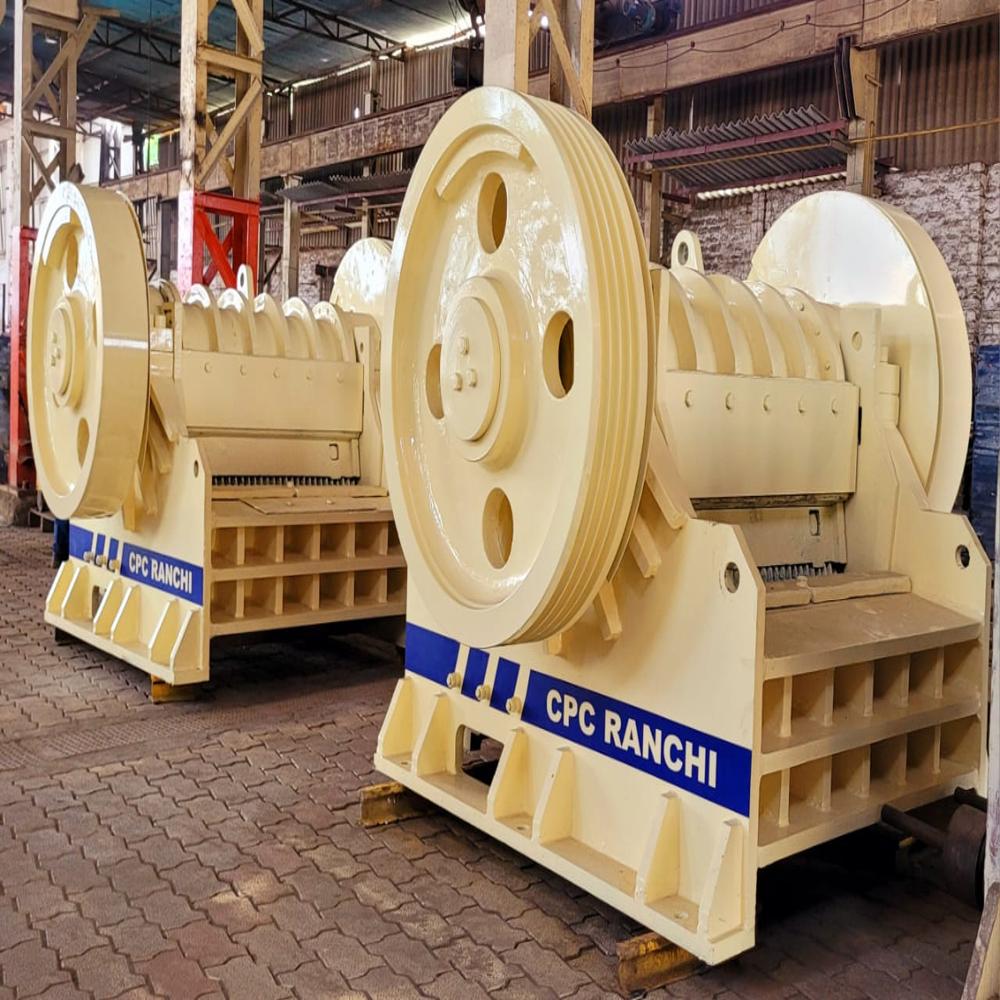
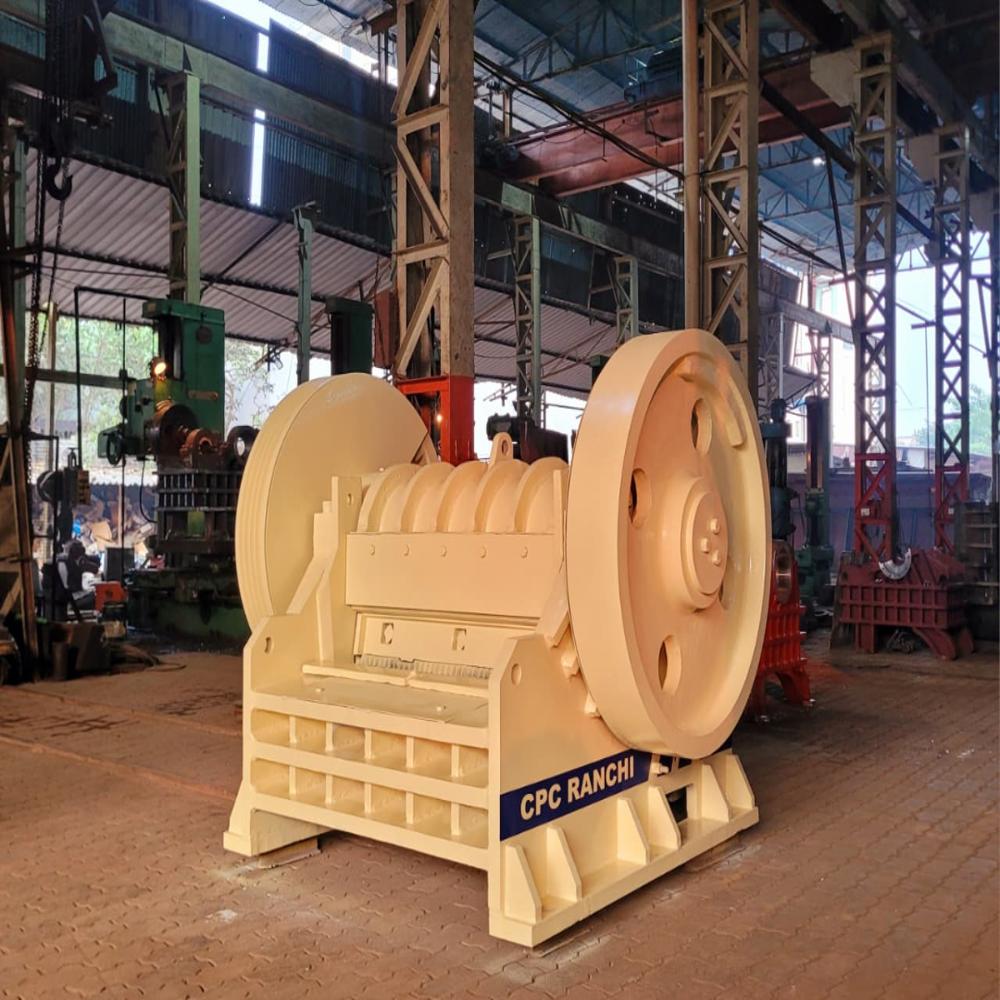
Secondary Jaw Crusher - 4806 - 4206 - 3606 - 2406 About
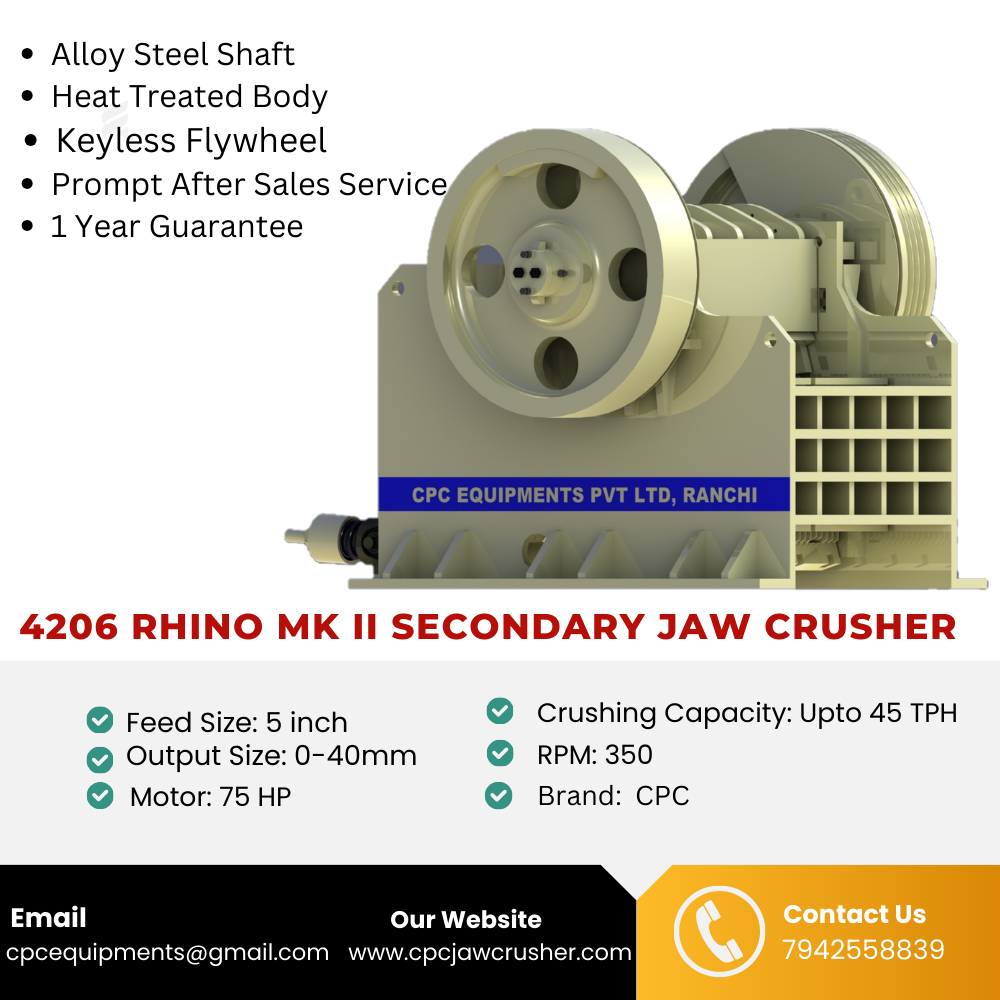
- Higher Production as compared to Mark I
- Minimum Maintenance Cost
- 1 Year Guarantee on all Parts (Except Jaw Pl, Side Pl, Gutka & Gutka Bolt)
- Forged & Hardened Alloy Steel Shaft
- Heat Treated Body and Pitman
- High Quality Bearings
- Keyless Flywheel
- Hydraulic Jaw Adjustment in Primary Crushers
- Prompt After Sales Service
Technical Specifications
|
Model No.
|
MC Size
|
Max Feed Size
|
Output Size
|
Jaw Setting
|
Min Crushing Capacity
|
Max Crushing Capacity
|
Motor HP
|
|
3606 RHINO MK-II
|
36" x 6"
|
5"
|
0 - 40 mm
|
1"
|
35 TPH
|
40 TPH
|
60 HP
|
|
4206 RHINO MK-II
|
42" x 6"
|
5"
|
0 - 40 mm
|
1"
|
40 TPH
|
45 TPH
|
75 HP
|
|
4806 RHINO MK-II
|
48" x 6"
|
5"
|
0 - 40 mm
|
1"
|
50 TPH
|
55 TPH
|
75 HP
|
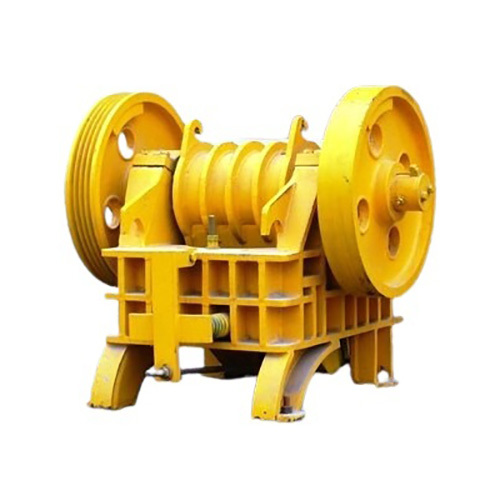
Engineered for Robust PerformanceThe secondary jaw crusher series is meticulously constructed using premium cast iron and high-grade steel for strength and longevity. Heavy-duty flywheels and high-tensile toggles enhance crushing power, making these machines ideal for demanding environments such as mining and large-scale aggregate operations. Each model matches industry-specific requirements, ensuring reliable and consistent performance throughout its service life.
Versatile Crushing ApplicationsThese crushers are engineered to handle a broad spectrum of materials, from hard to medium-hard rocks. They are suited for diverse operational sectors like mining, quarrying, aggregate production, and recycling. The adjustable discharge size (20-100 mm) allows operators to customize output for different project needs, making them a versatile choice for processing various materials efficiently.
Efficient Operation and Minimal MaintenanceManual controls paired with a robust lubrication system (grease/oil bath) keep these crushers functioning smoothly while requiring minimal operator intervention. The straightforward mechanical rotation and durable components reduce wear and tear, making maintenance simple and infrequent. This results in improved operational uptime and lower overall ownership costs for end users.
FAQ's of Secondary Jaw Crusher - 4806 - 4206 - 3606 - 2406:
Q: How do I select the appropriate model of secondary jaw crusher for my operation?
A: To choose the right crusher model, consider the feed opening size, required output capacity, and specific material type. The 4806, 4206, 3606, and 2406 models offer varying feed sizes and capacities (30-100 TPH) suitable for different processing volumes.
Q: What types of materials can these secondary jaw crushers handle?
A: These crushers are designed to efficiently process hard and medium-hard materials, including various types of rocks and minerals found in mining, quarrying, aggregate, and recycling industries.
Q: When should a secondary jaw crusher be used in a production process?
A: A secondary jaw crusher is typically used after initial primary crushing. It is ideal when you need to further reduce the size of input materials before final processing or tertiary crushing.
Q: Where are these crusher models commonly installed?
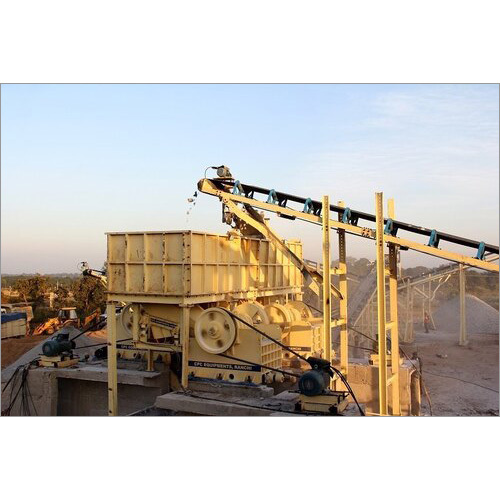
A: These crushers are widely used across mining sites, aggregate plants, quarry operations, and recycling facilities throughout India due to their adaptability and compact dimensions.
Q: What steps are involved in maintaining these crushers?
A: Routine maintenance includes checking and replenishing lubrication (via grease or oil bath), inspecting toggle bearings, and ensuring all mechanical parts function smoothly. Thanks to their robust design, these crushers require relatively low maintenance.
Q: What are the main operational benefits of these secondary jaw crushers?
A: Key benefits include a high crushing ratio, robust construction, low maintenance needs, and consistently high output. Their standardized manual operation and versatile discharge settings offer flexibility and reliability for different applications.
Q: How does the manual control system enhance usability?
A: The manual control system allows operators to easily adjust settings and monitor performance, giving them greater control over discharge size and processing flow, which is particularly advantageous for customized crushing requirements.





 Send Inquiry


 Send Inquiry